Comprehensive Virtual Receptionist Services and Live Operator Solutions for Small Business Success

In the fast-paced business environment, efficient communication is crucial for success. Virtual receptionist services, powered by skilled live operators, offer tailored solutions that enhance customer interactions while optimizing operational efficiency. This article delves into the various aspects of virtual receptionists, outlining how they function, their advantages for small businesses, pricing models, and integration with essential business tools. Readers will gain insights into leveraging these services to improve customer engagement and achieve business growth. As small businesses often struggle with the demands of call management, virtual receptionists provide a viable solution, allowing owners to focus on core operations while ensuring that every customer interaction is handled professionally. We'll explore the mechanisms of these services, their specific benefits, and how they can be successfully integrated into existing business frameworks.

What are Virtual Receptionist Services and How Do Live Operators Enhance Call Handling?

Virtual receptionist services are professional call handling solutions that manage incoming communications for businesses remotely. These services employ trained live operators who ensure that calls are answered promptly and effectively, providing a personal touch that automated systems often lack. By integrating advanced technologies like VoIP and CRM systems, virtual receptionists enhance the overall experience for both businesses and customers. The result is a seamless communication process that not only alleviates the burden on in-house staff but also enables businesses to maintain a high level of service.

How Does a Virtual Receptionist Service Operate?

A virtual receptionist service operates by utilizing a combination of sophisticated software and a dedicated team of live operators. Incoming calls are routed through a virtual switchboard where operators can screen and manage calls according to the specific needs of each business. This setup allows for flexible handling of customer inquiries, appointment scheduling, and message taking at any time during business hours. By implementing call screening processes, operators can prioritize important calls and ensure that urgent matters are addressed promptly, providing businesses with peace of mind.

What Roles Do Live Operators Play in Customer Interaction?

Live operators serve as the frontline representatives for businesses, playing a crucial role in customer interaction. They are trained to engage with clients professionally, respond to inquiries accurately, and handle escalations with poise. This level of engagement significantly enhances customer satisfaction and contributes to the overall perception of the business's professionalism. Moreover, live operators adeptly manage multiple interactions simultaneously, ensuring that no potential lead is missed during peak hours, thus improving the efficiency of customer interactions.

What Are the Key Benefits of Outsourced Receptionists for Small Businesses?

Outsourced receptionist services offer numerous benefits tailored to small businesses striving for growth without bearing the high costs of full-time in-house staff. One primary advantage is cost-effectiveness; outsourcing reception duties allows businesses to allocate funds more efficiently. Additionally, these services improve customer satisfaction through prompt and personalized responses. The flexibility and availability of virtual receptionists significantly enhance operational efficiency as businesses can extend their service hours without the associated costs of hiring additional staff.

How Do Outsourced Receptionists Improve Customer Experience and Business Efficiency?

Outsourced receptionists enhance customer experience by providing immediate assistance and detailed responses to inquiries—elements that are vital for fostering client relationships. For instance, businesses can see significant improvements in customer satisfaction ratings when calls are answered live rather than going to automated systems. This personalized attention can lead to increased customer loyalty and repeat business, which are essential for long-term success. Furthermore, these services allow for better management of business operations, enabling owners to focus on strategic planning rather than day-to-day call handling.

Why Do Small Businesses Prefer Live Operator Answering Services Over Automated Systems?

Small businesses often gravitate towards live operator answering services due to the undeniable shortcomings of automated systems. While technology offers efficiency, it cannot replicate the warmth and responsiveness of human interaction. Studies show that customers often prefer speaking to a live person, especially for complex inquiries or in situations requiring empathy. Live operators provide an authentic connection that can be crucial in building brand loyalty and trust. As a result, many small businesses choose to invest in these services to ensure a better customer experience and differentiate themselves in competitive markets.

How Does Pricing Work for Virtual Answering Services and Live Operator Solutions?

Understanding the pricing structure for virtual receptionist services is essential for small businesses looking to find the best fit for their budget. Typically, pricing models fall into several categories: per-call fees, monthly subscriptions, and tiered service packages. Each model offers various features and levels of service, allowing businesses to choose the option that best suits their operational needs and financial capacities.

What Are Common Pricing Models and What Do They Include?

Most virtual receptionist providers offer flexible pricing plans ranging from monthly subscriptions to pay-per-call services. Common models include:

  • Per-Call Pricing: Charges incurred based on the volume of calls handled, making this ideal for businesses with fluctuating call volumes.
  • Monthly Subscriptions: A flat fee that includes a certain number of calls and additional services such as appointment scheduling and message forwarding.
  • Tiered Packages: Different levels of service available at varying price points, allowing businesses to upgrade as their needs expand.

Understanding these models helps businesses budget effectively while ensuring they are not overpaying for under-utilized services.

How Can Small Businesses Maximize ROI with Virtual Receptionist Pricing?

To maximize return on investment (ROI) with virtual receptionist services, small businesses should focus on clearly defining their needs before selecting a pricing model. It is essential to analyze call volumes and customer interaction patterns to determine which pricing structure is most cost-effective. Additionally, utilizing features like call tracking and analytics can provide insights into service effectiveness, helping businesses adjust their plans as required. By careful evaluation of service usage and available features, businesses can ensure they receive significant value from their investment in virtual receptionist services.

How Can Virtual Receptionist Services Integrate with Business Tools Like CRM and VoIP?
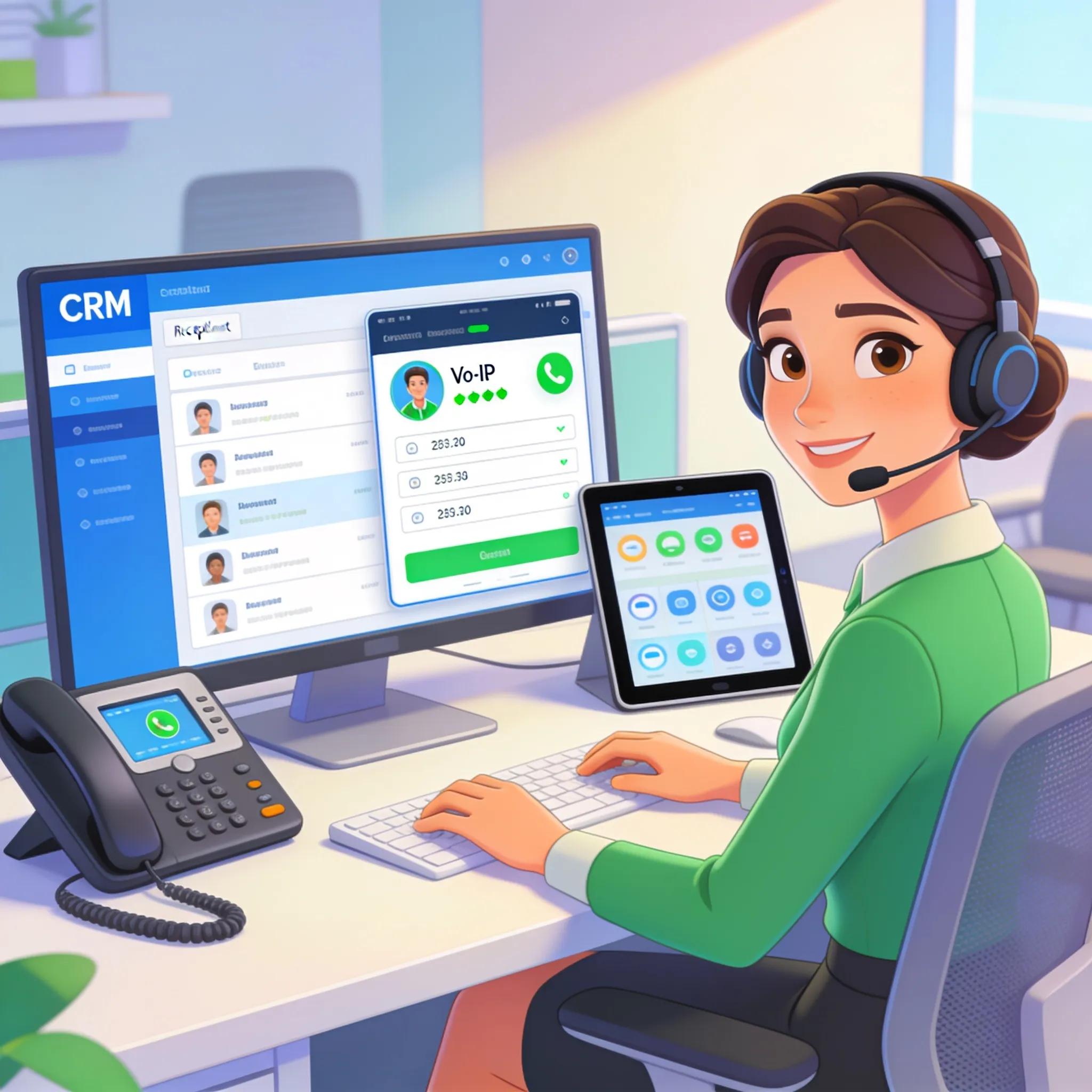
Integrating virtual receptionist services with business tools like Customer Relationship Management (CRM) systems and Voice over Internet Protocol (VoIP) technology can significantly enhance call handling capabilities. By creating connections between these platforms, businesses can automate data entry, improve communication, and streamline workflows.

What Are the Advantages of CRM Integration for Call Handling?

Integrating a virtual receptionist service with CRM software allows for better customer data management and streamlined communication. The advantages include: missed after hours calls costing more than you realize

  • Increased Data Accuracy: Automatic logging of customer interactions ensures that information remains current and accurate.
  • Enhanced Customer Experience: Operators can access customer histories quickly, allowing them to provide personalized service based on previous interactions.
  • Time-Saving Features: Automating routine tasks reduces the burden on operators and increases productivity.

This level of integration streamlines processes and creates a more efficient customer interaction model.

How Does VoIP Technology Enhance Virtual Receptionist Operations?

VoIP technology significantly enhances the operations of virtual receptionist services by providing high-quality voice communications over the internet. The benefits include:

  • Cost Savings: Reduced telecommunication costs compared to traditional phone lines, making it more affordable for businesses.
  • Flexibility: VoIP allows receptionists to work from any location, enabling businesses to maintain their services irrespective of their physical location.
  • Scalability: As business needs change, it's easier to add more lines and features without extensive infrastructure changes.

This technology not only improves the efficiency of call handling but also ensures that businesses can adapt to changing demands seamlessly.

What Are Real-World Results from Using Virtual Receptionists and Live Operators?

Real-world applications of virtual receptionist services demonstrate their effectiveness across various industries, showcasing impressive results in terms of customer volume and conversion rates. Businesses that implement these services often report quicker response times, higher customer satisfaction, and ultimately, increased revenue.

Which Industries Benefit Most from Virtual Receptionist Services?

Virtual receptionist services tend to be most beneficial for industries with high customer interaction rates, including: missed after hours calls costing more than you realize

  • Real Estate: Quick responses can lead to better client relationships and faster closing times.
  • Healthcare: Managing patient inquiries efficiently enhances service quality and patient satisfaction.
  • E-commerce: Immediate assistance helps in reducing cart abandonment rates and improving sales.

These industries leverage call handling to build relationships with customers, ensuring that no opportunity is lost.

How Do Case Studies Demonstrate Increased Call Volume and Conversion Rates?

Multiple case studies indicate that integrating virtual receptionist services can lead to significant increases in call volume and conversion rates. For instance, businesses in tech services reported a notable increase in lead conversions after employing live operators to manage inquiries during peak hours. Such evidence supports the notion that personalized service effectively boosts customer engagement and drives sales, emphasizing the value of investing in professional call management solutions.

What Are Common FAQs About Virtual Receptionist and Live Operator Services?

As businesses consider adopting virtual receptionist services, several common questions arise regarding their functionality and effectiveness. Addressing these inquiries helps to clarify the advantages and operational dynamics of such services.

How Do Virtual Receptionists Compare to In-House Receptionists?

Virtual receptionists have distinct advantages over traditional in-house receptionists, including:

  • Cost: Outsourcing is typically less expensive when considering salary, benefits, and office space for full-time staff.
  • Flexibility: Virtual services can scale quickly to meet changing business needs without the overhead associated with hiring additional in-house staff.
  • Expertise: Many virtual receptionists possess specialized training, allowing for professional handling of a variety of customer inquiries.

These aspects make virtual receptionists a compelling option for businesses aiming to enhance service without the added costs of traditional staffing.

What Is the Availability of Live Operator Answering Services?

Live operator answering services typically offer flexible availability that can match the business's operational hours. Most services provide options for 24/7 availability, ensuring that customer inquiries are addressed at any time, including holidays and peak hours. This round-the-clock service enhances customer satisfaction and reinforces a commitment to superior service delivery. As businesses navigate the complexities of customer service, having an always-available resource can significantly impact operational success and customer loyalty.