
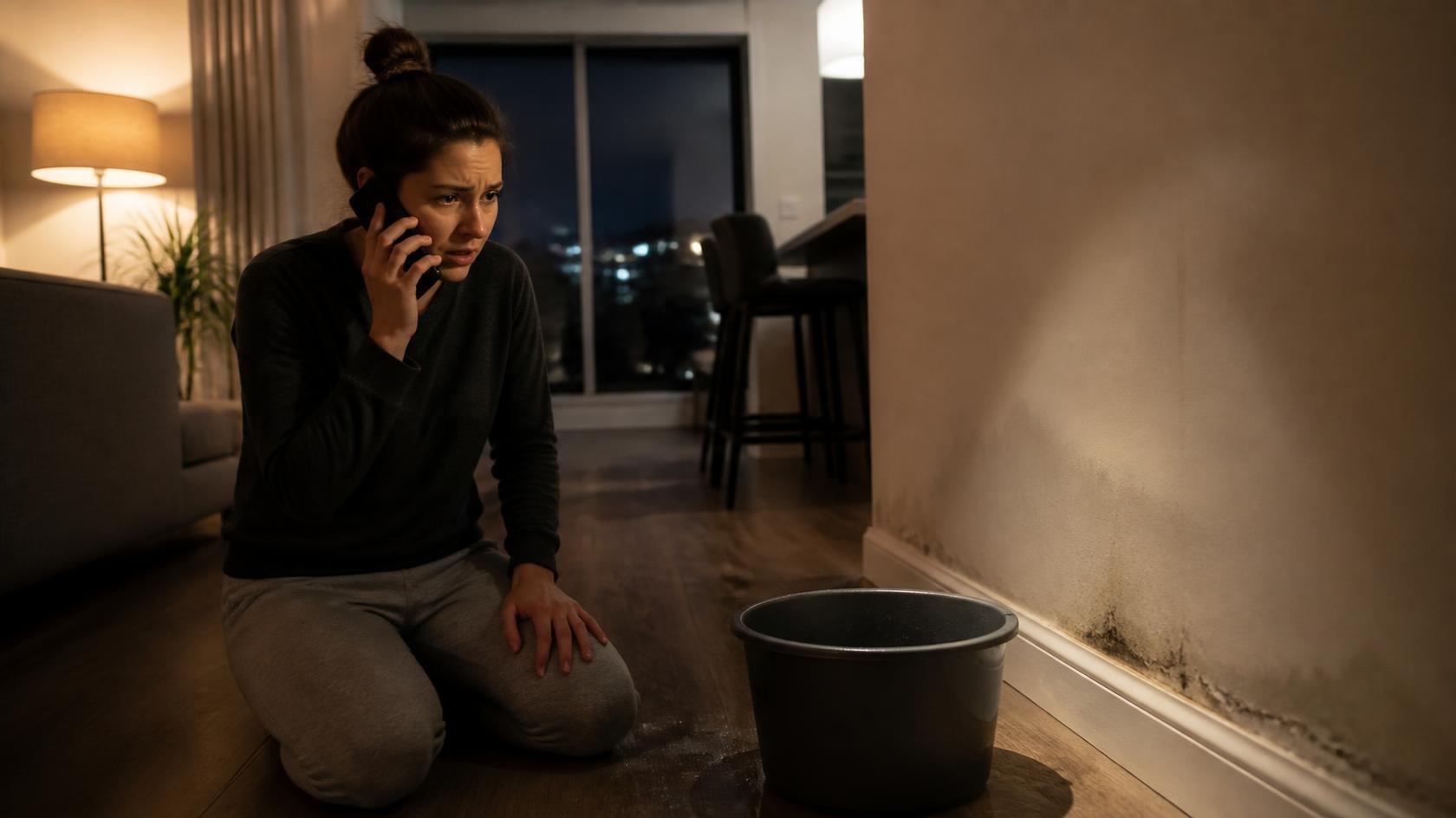
It’s 2:13 a.m. and a resident on the third floor wakes up to the sound of dripping water. By the time they find the source, water is running down the kitchen wall and pooling under the cabinets. They grab their phone and call the number on the fridge magnet.
What happens next a full voicemail box, or a groggy on-call technician who misses the call or a real person who gets immediate help moving, determines how that resident views your property long after the drywall dries.
Every property management company takes the 2 A.M. test sooner or later. Here is how to make sure your team passes the first time.
Why After Hours Calls Impact Your Bottom Line
It is easy to treat middle of the night calls as an operational hassle to minimize or offload as cheaply as possible. But emergency maintenance is rarely just a physical repair. It’s a direct driver of resident retention. When a pipe bursts or the heat stops working at midnight, residents are usually anxious. They aren’t looking to fill out a portal ticket and wait until 8:00 a.m. for an email reply; they want immediate human confirmation that the problem is being handled. If that experience goes smoothly, you build real trust. If it goes poorly, it becomes the main reason a resident decides not to renew when their lease is up.
AppFolio’s 2026 Renter Preferences Report, conducted a survey of 3,002 US renters, and found that maintenance is the single biggest driver of resident satisfaction. According to the survey, residents who were satisfied with maintenance were far more likely to plan on renewing their lease (56% compared with just 31% of residents who weren't satisfied). The same report also found that when something goes wrong, residents want to talk to someone. 66% of renters prefer a phone call for emergencies, even though most prefer email or text for routine matters.
Put those findings together and the picture is clear: the emergency call isn't just a maintenance event. It’s a retention event. With 39% of renters saying they plan to move in the next 12 months (up from 35% in 2.25), you can't afford to fail the moments residents remember most.

Where Common After Hours Setups Break Down
Most property management teams rely on one of three classic setups to handle overnight calls. On paper, they seem straightforward. In practice, each has a single point of failure that leaves both residents and staff exposed.
Voicemail with a Callback Promise.
How it works: Calls go directly to an automated inbox with a recording asking the resident to leave a detailed message.
Where it breaks down: It asks an anxious resident sitting next to gushing water to wait indefinitely with zero feedback. They don’t know if the message was received, if anyone is listening, or if help is actually coming. The result is usually panic, multiple repeated calls, and a resident who feels completely ignored.
The Rotating On-Call Cell Phone
How it works: Technicians take turns carrying a designated company phone overnight for a week at a time.
Where it breaks down: Human error is inevitable. If a technician sleeps through an alert, leaves the phone in another room, or enters a dead zone, the entire safety net collapses. Worse, placing the full burden on one person 24/7 during their on-call week is a fast track to technician burnout and high turnover.
Traditional Answering Services
How it works: An outsourced third-party call center fields the call and attempts to dispatch your on-call team based on a written protocol.
Where it breaks down: Traditional call center operators rarely know your specific property layout, equipment, or local vendors. They often default to either waking up your staff for minor non-emergency issues or mishandling urgent situations by failing to escalate quickly when a tech doesn’t respond.
The “If This Is an Emergency, Call 911” Blanket Disclaimer
How it works: A recorded greeting directs callers to hang up and call emergency services if they are experiencing an emergency.
Where it breaks down: 911 is for fires, medical crises, and immediate physical danger. Not a burst pipe, a sewer back up, or a broken heater in sub-freezing weather. Disclaimers like this confuse residents, lead to misrouted calls, and create serious property damage liability if a resident waits until morning to report a major building emergency.
Confusing Automated Phone Menus (IVR Systems)
How it works: An interactive system prompts residents to press a specific number (e.g., “Press 1 for emergency maintenance, Press 2 for leasing”).
Where it breaks down: Under high stress, like watching water flood a kitchen at 2:00 a.m., residents don’t follow complex menus well. If your definition of “emergency” isn’t immediately obvious, callers pick the wrong option or hang up frustrated, leaving active property damage completely unaddressed while water spreads across the floor.
Build a Clear Emergency Definition and Escalation Tree
Before you change who answers the phone, get clear on what should happen when they do. A solid after hours process relies on two functional elements:
A written definition of an emergency
Be specific. Most property managements teams define true emergencies as:
- Active Water Leaks: Uncontrollable flooding or burst pipes.
- HVAC Extremes: Loss of heat when outdoor temperatures drop below freezing (or loss of A/C during severe heat advisories, where required)
- Gas Leaks & Sparks: Gas odors or active electrical sparking (after the resident leaves the unit and contacts 911 or the utility company).
- Security & Utility Breaches: Main line sewage backups, total power loss to an individual unit, or compromised entry locks and ground floor windows.
A Multi-Tiered Escalation Tree
Never let a phone call rely on a single person staying awake. An effect escalation workflow gives your team backstops at every step:
- Primary On-Call Technician: Receives the initial dispatch and has a strict window of time to acknowledge the alert.
- Secondary/Backup Technician: Automatically receives the dispatch if the primary technician does not respond within the timeframe.
- Property Manager: Triggered if neither technician responds.
- Pre-Approved Emergency Vendors: On-call staff should have direct access to pre-selected third party vendors up to a set dollar amount without needing prior authorization.

What a Live, Property Management Answering Service Solves
Once your process is documented, the question becomes who carries it out at 2 am.. Partnering with a specialized property management answering service transforms your overnight operations.
At Southern Voices, every call is answered by a real, live agent, 24 hours a day, 7 days a week, including weekends and holidays. Here's what that looks like on a maintenance call:
- 100% Live Answer Guarantee: Residents are greeted immediately with a custom greeting in your company’s name. Residents hear your brand, not ours.
- Triage Using Your Definitions: Our agents follow your custom script to determine whether a call is a true emergency or something that can be logged for the morning shift.
- Escalation That Follows Your Tree: For emergencies, agents reach your on-call tech, and keep working down the list if someone doesn’t answer, and patch the call through or relay details based on your preferences. No call ever falls through the cracks.
- Complete Documentation: Every call, timestamp, and action is logged directly into your management software and delivered to your team for the next business day so your on-call staff only gets woken up for the calls that need them.

Stop Gambling with Your After Hours Maintenance
You can’t prevent emergency calls after hours, but you can control how your business responds. Ready to upgrade your after hours operations? Contact our team today to see how our specialized property management answering service can protect your properties, reduce tech burnout, and keep your residents renewing.
At Southern Voices we work with property management teams and our agents answer every after hours call with a live, caring person who follows your protocols. If you'd like help setting up an emergency call process for your properties we'd love to talk.
Call 800-677-7406 or visit southernvoices.com to get started.
Frequently Asked Questions
How does an after hours answering service know what counts as a real emergency for my property?
We work directly with your management team to build a customized triage script and intake checklist. Agents follow your exact criteria.
Will the agents sound like part of our internal team or a third party call center?
Agents answer your lines using a custom brand script created specifically for your company. Callers experience a smooth, professional extension of your office.
What happens if our primary on-call maintenance technician doesn’t answer?
Southern Voices executes your pre-set escalation chain automatically. If the primary technician doesn’t acknowledge the dispatch within a designated time window, the agent immediately routes the alert to your secondary technician, supervisor or property manager until a live team member confirms receipt.
What if a resident calls about a non-emergency issue late at night?
The agent uses your custom screening questions and informs the resident that the issue will be scheduled for normal business hours. The agent collects all details and logs a non-urgent order for your morning team.
How does using an answering service help reduce maintenance staff turnover?
By filtering out non-emergency calls, field technicians are only woken up when their immediate presence is required. This reduces burnout and improves job satisfaction.
Recent Comments