
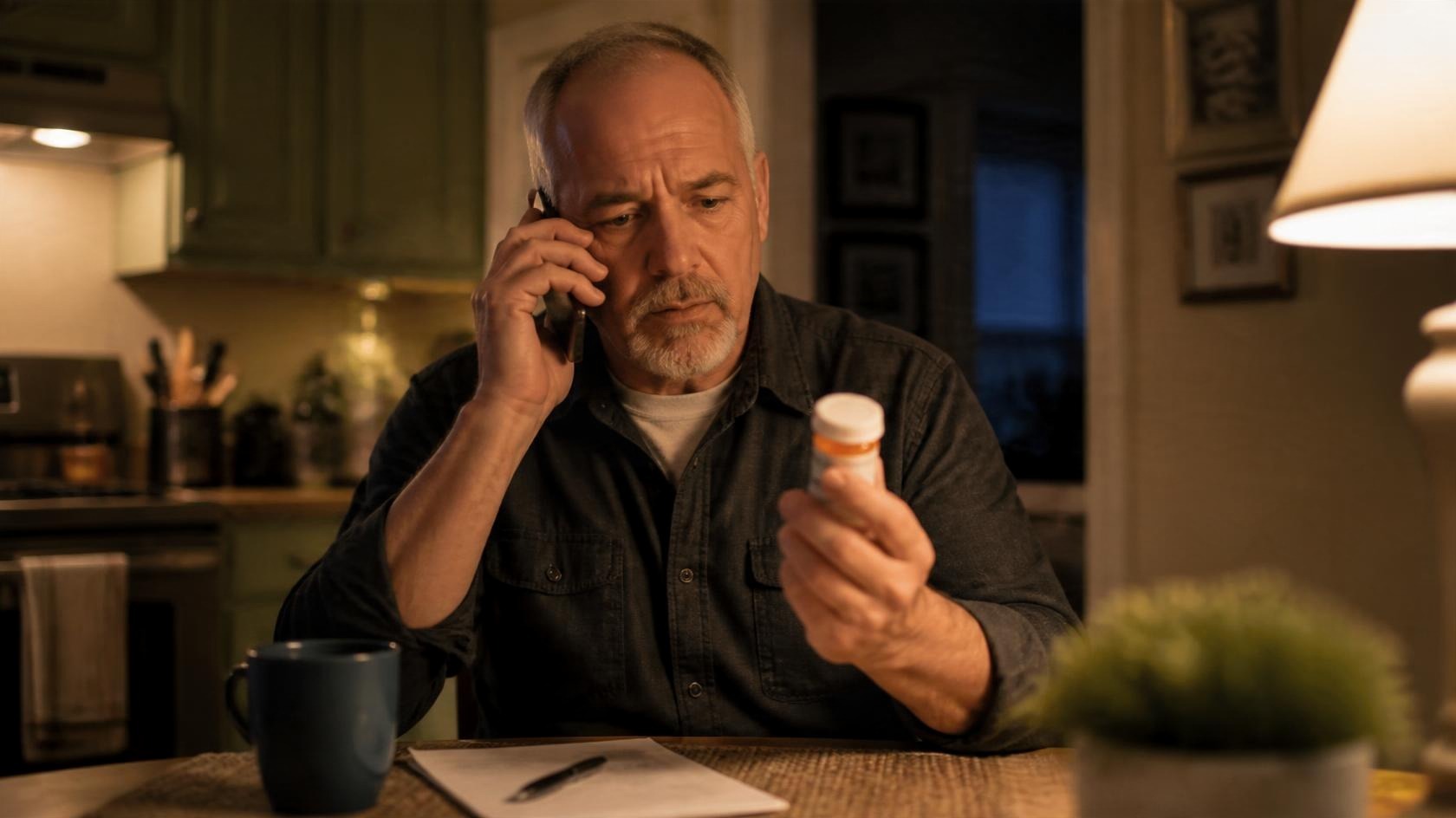
It’s 8:45 on Tuesday night. A mother is holding her feverish toddler while calling your office. Another patient has just realized they’re out of medication they take everyday. An elderly man is trying to remember if his appointment is Wednesday or Thursday and doesn’t want to miss it.
Different people, different situations, but they all reach for the phone and hope someone answers.

The Call From the Patient’s Side
Patients aren’t calling your office after hours unless they have a reason. They may have a concern, a question, or a medication issue or something they’re not comfortable waiting until the next day to address. Those first few seconds of the call can make a huge impression, whether they are a longtime patient or are calling for the very first time.
Hearing a voice that greets the patient using your practice’s name and asks how they can help feels reassuring. It tells the patient, “You’ve reached the correct place and we are here to help you in any way you need.” This leaves a much better impression than a caller being greeted by a voicemail box or a menu of options.
The Types of Calls That Come In After Hours
Every practice is different, but after hours calls typically fall into one of the following categories:
- Appointment requests and changes
- Prescription and refill questions
- Concerning symptoms
- Billing and general information questions
- Urgent or emergency situations
It is imperative that these types of calls are handled appropriately and follow the instructions your practice has given.

What a Good After Hours Process Looks Like
A reliable process should have the following things in place:
- Custom Greeting- Callers should hear your practice name, rather than a generic message.
- Well defined protocols.-Your team should know the difference between calls that can wait until morning and those that need to be routed to the on-call provider.
- Accurate Message Taking-The caller’s name, callback number, reason for calling, and any other necessary information should be recorded accurately.
- Carefully Handled Patient Information-Patient information should be handled with care and forwarded according to your practice guidelines.
- A live person-A real person answering the calls is able to identify urgency in a caller’s voice, ask the appropriate follow up questions, and route the call to the correct person.

Build Your Escalation Plan
Whether your business handles after hours calls in house or works with an outside service provider, it helps to have a clear plan everyone can follow. Here are questions to start with.
- What does “urgent” mean for our practice?
- Who is on-call each night and weekend, and who is the back up?
- How quickly should urgent messages reach the provider?
- What information should be collected on every call?
- What should callers be told when the situation sounds like an emergency?
- Who will we review after hours calls the next morning?
Your practice should decide what works best for them and create an escalation plan that will be followed.

Why Weekends and Holidays Matter Too
Weekends, holidays and after hours are when many people finally have time to deal with their health, and when your office is most likely to be closed. Your after hours plan should cover all of these times so that patients receive the same level of care no matter when they call.

First Impressions Count
At Southern Voices Inc., live human agents answer calls 24/7, including after hours, weekends and all holidays. We never use voicemail or bots. We answer your calls with real people using customized greetings and call handling personalized to your practice with HIPAA aware handling for medical offices.
If you’d like to talk through what your after hours coverage could look like, visit southernvoices.com or call 800-677-7406.
Frequently Asked Questions
How do we decide which after hours calls need to reach the on-call provider?
Start by defining what your practice considers urgent and give specific examples. The goal is to make the decision as clear as possible for whoever answers the phone. Your escalation plan should also identify who to contact, how quickly they should be contacted, and what happens if they do not respond.
What happens if the on-call provider does not answer?
Your escalation plan should include a backup rather than leaving the decision to the person answering the phone. Define how long to wait, who should be contacted next, and when the situation should be escalated further. Everyone involved should know the process before an urgent call comes in.
How can we make sure important messages are not missed overnight?
Start with consistent message collection. Every call should include the information your practice needs, along with a clear indication of whether the message is routine or requires follow-up. Your process should also specify how messages should be delivered and who is responsible for reviewing them.
How often should we review our after hours call process?
It’s worth reviewing the process regularly, especially after a missed message, escalation issue, or change in your providers or on-call schedule. Reviewing actual after hours calls can help identify patterns and areas for improvement.
Recent Comments