
A single cold snap can pack a month's worth of emergency maintenance calls in a single night. Heaters that sit idle all summer often fail on their first real test when tenants need them most. Pipes in exterior walls and crawl spaces freeze and it almost always seems to happen after the office has closed and often over a holiday weekend, when half your team is out of town.
The best time to prepare for that night is now, in the fall, not the moment the first call comes in. Here's a practical checklist to prepare your properties, team, and your dispatch system before freezing temperatures hit.
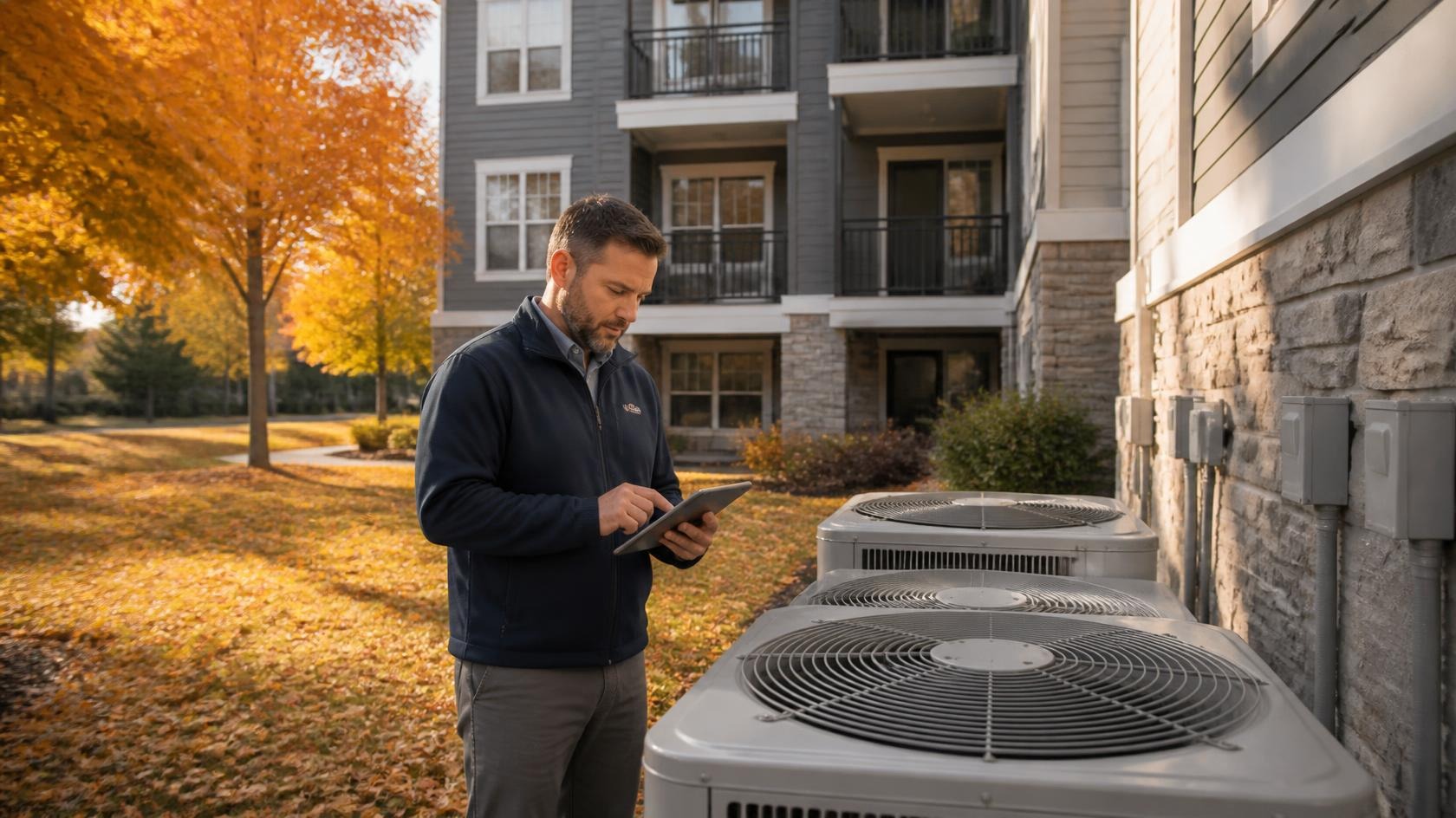
Why Now Is the Time to Prepare!
Several seasonal pressures pile up at once as the weather turns:
- Hidden HVAC Issues- Problems that went unnoticed all summer such as: a failing igniter, a clogged filter, or a bad thermostat show up on the first cold night.
- Vulnerable Pipes- In the South especially, hard freezes are less frequent, and many buildings weren't designed to withstand extreme temperatures. Exposed plumbing, inadequately insulated crawl spaces, and exposed exterior hose faucets are common weak points.
- Short Staffed Holidays- Between Thanksgiving and New Year’s, on-call coverage gets stretched just as residents are home more, hosting guests, and putting more strain on their heating and plumbing.
None of these are surprises. A little proactive planning now will prevent these issues.
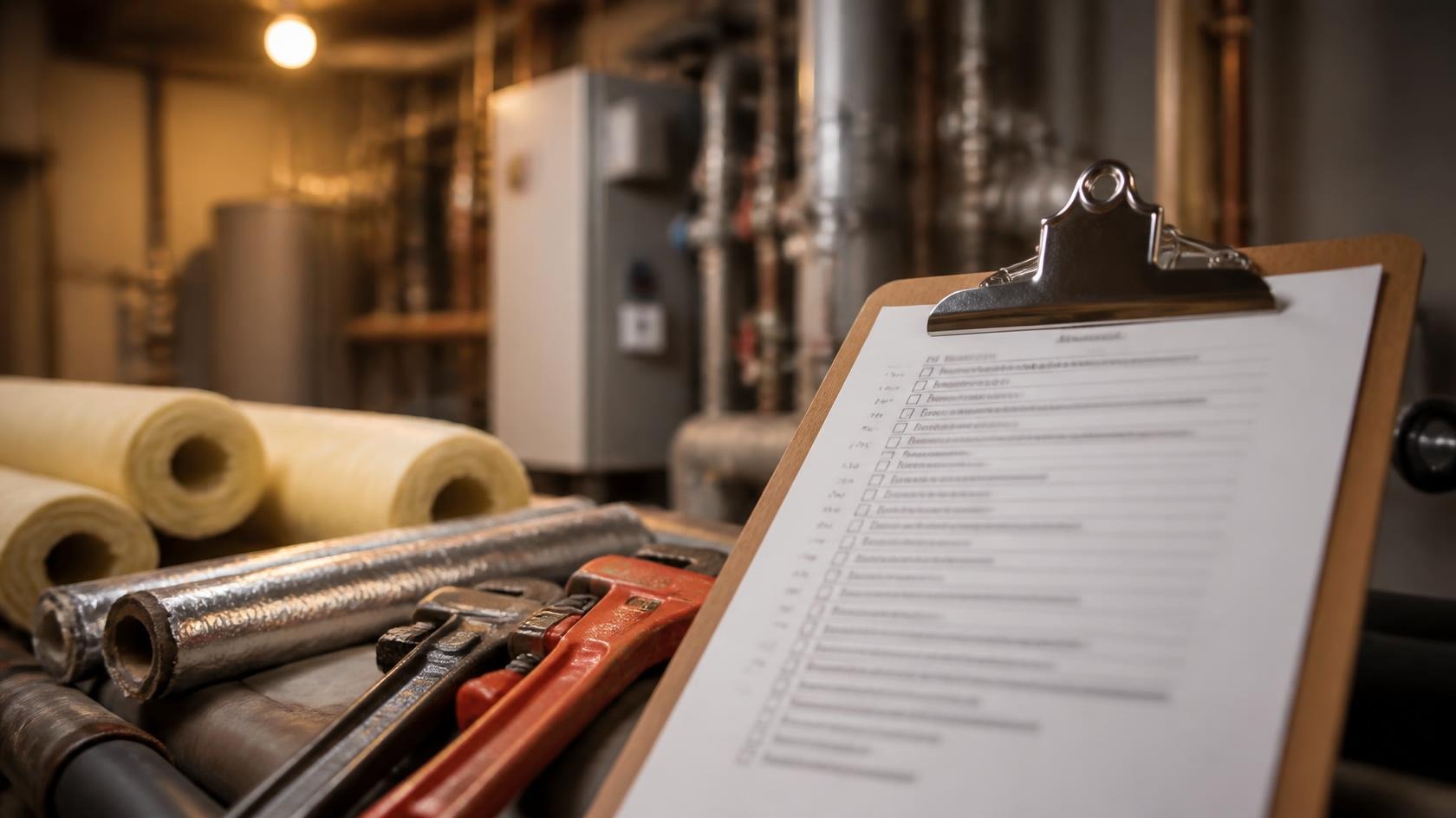
Your Pre-Winter Maintenance Checklist
Start with the building itself. Every emergency you prevent now is an after hours emergency call you will not have to answer this winter.
- Service HVAC systems and heating equipment before the first cold snap, including boilers, furnaces, and heat pumps.
- Replace or schedule air filter changes. Clogged filters strain systems and contribute to breakdowns.
- Insulate exposed pipes in crawl spaces, attics, garages, and along exterior walls.
- Disconnect and cover exterior hose bibs, and shut off interior valves to outdoor spigots where possible.
- Locate and clearly label every main water shut off valve, and make sure your on-call techs know where they are at each property.
- Check smoke and carbon monoxide detectors, especially in units with gas appliances or fireplaces.
- Inspect roofs, gutters, and drainage systems to prevent leaks from winter rain, snow and ice.
- Test back up systems such as: generators, sump pumps, and emergency lighting.

Your Team & Vendor Checklist
Prepared buildings still have emergencies. The difference between a minor issue and a major one comes down to how quickly your team reacts.
- Create and publish your holiday on a call schedule now, not the week before Thanksgiving.
- Confirm back up coverage for each on-call shift, so there's always a secondary contact if the primary on-call contact is not able to be reached.
- Update your approved after hours vendor list. Reach out to your preferred plumbers, HVAC, water restoration, locksmiths, and electricians and confirm 24/7 emergency rates, update emergency numbers and inquire about any holiday closures.
- Review your escalation tree. Meet with your team and clarify the chain of command, time frame before contacting the secondary tech, and outline when a tech can bypass approval and contact a third party approved vendor directly.
- Share updates with your answering service. Send your answering service the updated schedule, so the people answering your phones are working from the same current information as your team.
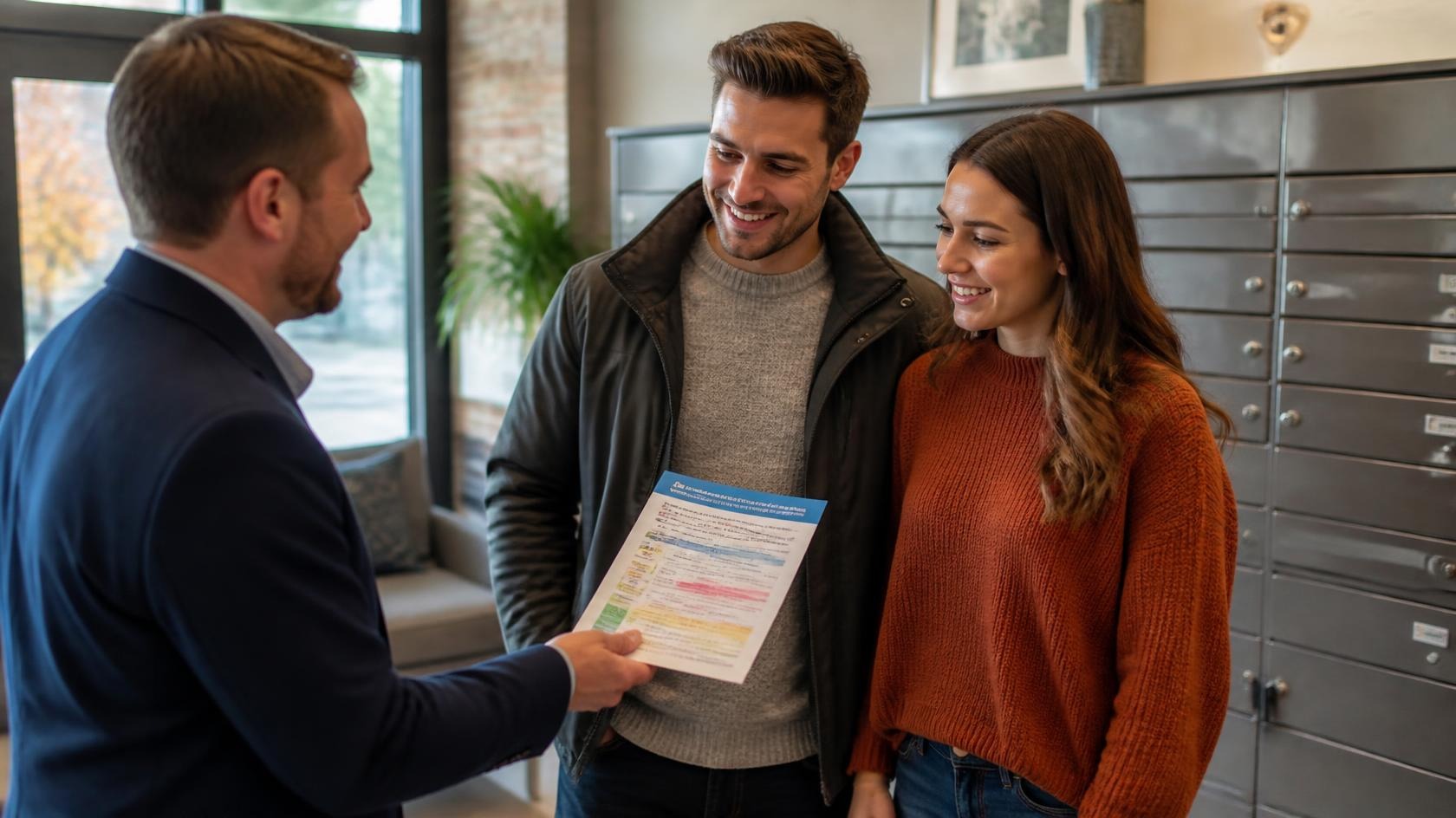
Resident Readiness Checklist
Proactive communication with your residents cuts down on after hours emergency calls and can help prevent emergencies altogether.
- Update resident contact information, including emergency contacts and preferred callback numbers.
- Send a “winter ready” guide with simple tips: keep heat set to a reasonable minimum when away, open cabinet doors under sinks during hard freezes, and let faucets drip when temperatures drop well below freezing.
- Redefine what is truly an emergency. Remind residents what warrants an after hours calls (active leaks, zero heat, gas smell, sewage back up) and what can wait until the next business day.
- Show your residents where the water shut off is in their unit, where applicable.
- Give residents one emergency number and make sure it's easy to find: on the fridge magnet, the resident portal, and the move in packet.

The Ultimate Safety Net: Give Residents One Number That ALWAYS Answers
When things go wrong, residents do not want to chat with an AI bot or leave a voicemail, they want an actual person on the line. AppFolio’s 2026 Renter Preferences Report, based on a survey of 3,002 US renters, found that 66% of residents prefer a phone call for emergencies, even though most prefer email or text for routine requests. The same research found that maintenance is the #1 driver of resident satisfaction.
In other words, the way you handle a winter emergency is one of the most visible things your company does all year. Relying on a confusing web of on-call cell numbers, voicemail boxes, and “press 1” emergency menus puts your business’s reputation at risk. A single emergency number, answered live by a trained person every time, protects your property and your brand.
This is exactly where Southern Voices steps in for property management teams. At Southern Voices we offer:
- Live agents 24/7/365 - We cover nights, weekends, and even holidays. Your residents will never get a voicemail or an AI bot.
- Customized greetings and scripts - We answer using your company’s name and we follow your emergency guidelines for what qualifies as an emergency.
- Follow through on your escalation tree - We follow your custom on-call tree; working down the list until someone is reached.
- Gatekeeping Routine Calls - We log minor issues and deliver them to your team for the next business day, ensuring on-call staff only get woken up for true emergencies.
When the first freeze hits and your residents start calling, they hear a calm, reassuring voice and your team receives organized and accurate information instead of a stack of voicemails.
Ready Before the First Freeze
Winter emergencies aren't a question of if. They're a question of how ready you are when they happen. Work through these checklists in October, share your updated protocols with everyone who answers your phones, and your team will head into the holidays with a lot more confidence.
If you'd like a live, property management trained team answering your emergency line this winter, Southern Voices is here to help-around the clock, every day of the year.
Call 800-677-7406 or visit southernvoices.com to set up your winter coverage.
Frequently Asked Questions
When is the absolute latest we should start our winter maintenance prep?
Ideally, you want everything in place by mid to late October. Waiting until later is a risk, because an early cold snap can happen without warning. If you start in early autumn, you have plenty of time to schedule contractors before their calendars fill up.
How do I convince residents to actually follow the “winter ready tips” we send out?
Keep it brief, practical and focus on their convenience. Use a quick bulleted email or text alert prior to a major freeze. Frame it around protecting their own belongings, reminding them that a burst pipe means ruined furniture and personal items.
What temperature should we tell residents to keep their thermostat set to if they travel?
Tell them to never turn the heat completely off, and keep the thermostat set to a minimum of 60℉ (15℃). Setting it any lower risks letting air inside the wall cavities fall below freezing, especially if the apartment is an end unit or sits over an unheated space such as a garage.
How do we handle residents that call after hours for non-emergencies during a storm?
The best approach is a set and clear screening process at the initial contact. When you work with a trained answering service like Southern Voices, agents filter out routine requests based on your exact definitions. Minor issues are logged for the next business day, which keeps the lines open for true emergencies.
Why should we use a specialized property management answering service instead of a standard call center?
Generic call centers just read a standard script and take messages like an automated voice mailbox. A property trained service like Southern Voices acts as an extension of your business. We know the difference between a minor issue and a catastrophic one. We know exactly how to navigate your custom escalation tree and ensure that your on-call technicians are only contacted when it truly matters.
Recent Comments