
Consider the following scenario: It’s 9:40 on a Tuesday night. A patient calls their doctor’s office on the after hours line, attempting to describe an alarming symptom they are experiencing. However, English isn't the patient’s primary language. Due to the language barrier and amount of stress the patient is under it is extremely difficult for the patient to articulate their symptoms and the severity of them. The agent taking the call has one opportunity to understand what the patient is trying to communicate. The margin for error is non-existent. In the healthcare industry, miscommunication can have severe consequences. It can be the difference between waiting safely until morning or requiring immediate, emergency intervention.
Across town, an entirely different crisis unfolds when a client calls a law firm's intake line early in the morning after a serious car accident. The client is deeply shaken and is attempting to navigate insurance inquiries, in a language they have not mastered and do not fully understand. The way the client articulates the events of the crash will impact the trajectory of their case.
Both after hours calls are inherently high stakes prior to the introduction of the language barrier. However, when a communication gap is added, a caller’s true meaning and an intake agent's understanding of events can be severely compromised. It can be the difference between a patient receiving life saving intervention or being told to wait until morning when the doctor’s office is opened, or having a client’s entire case jeopardized.

Why After Hours Calls Are Different
Daytime calls to a medical office or law firm are primarily administrative type calls such as: scheduling, billing questions, and routine follow ups. After hours calls, however, are often the exact opposite. After hours calls are calls that can’t wait. These calls may be regarding a symptom that's worsened, an arrest, an accident, a dispute that just happened, a burst pipe, etc. The caller is more likely to be frightened, in pain, or in the middle of an emergency, all of which makes them significantly less likely to be at their clearest and most articulate.
This is true for every after hours caller. For a caller who is also contending with a language barrier, under that same stress, the margin for miscommunication narrows further, right at the moment when accuracy matters most.
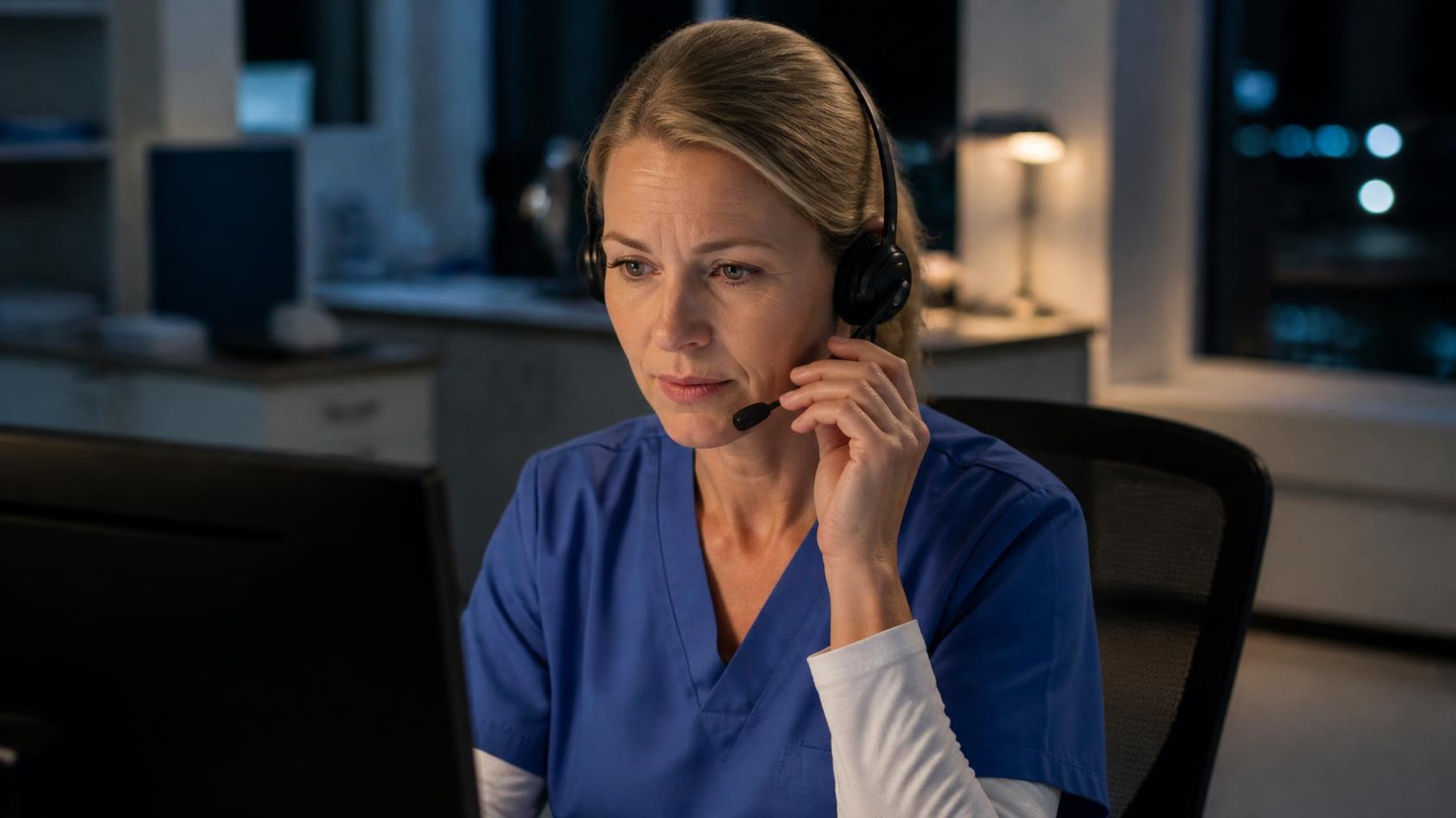
The Medical Case: Why Triage Accuracy Depends on Language
The research on this topic is unmistakable. An estimated 25 million people in the U.S., about 8.6% of the population have limited English proficiency (LEP), according to data cited by the Agency for Healthcare Research and Quality (AHRQ). Communication problems are consistently identified as the most frequent root cause of serious adverse events reported to the Joint Commission's Sentinel Event Database, and the disparity for LEP patients specifically is profound. A study titled “Language Proficiency and Adverse Events in U.S. Hospitals,” widely cited a significant disparity in healthcare safety. According to the study, LEP patients experienced harm in 49.1% of adverse event cases compared with 29.5% for English proficient patients with nearly 47% of LEP incidents resulting in moderate to serious harm or death, versus 24% among English proficient patients. Miscommunication has been linked to 59% of serious adverse events among LEP patients in hospital settings.
Those figures describe hospital care broadly, not after hours answering services specifically, however the underlying dynamics are the same ones at work on a 9 pm phone call. A caller describing critical symptoms in a language they're not fully proficient in, to an agent who may not fully understand the nuance of their description, creates the exact conditions for the miscommunication this research documents. A bilingual agent trained on your business practices on escalation protocols closes the communication gap by asking the correct follow up questions in the caller's spoken language and capturing the actual symptoms/complaint of the patient. This does not make an answering service agent a clinician, nor should it. This approach will help your business achieve flawless intake and escalation ensuring accurate information is collected for the call provider.
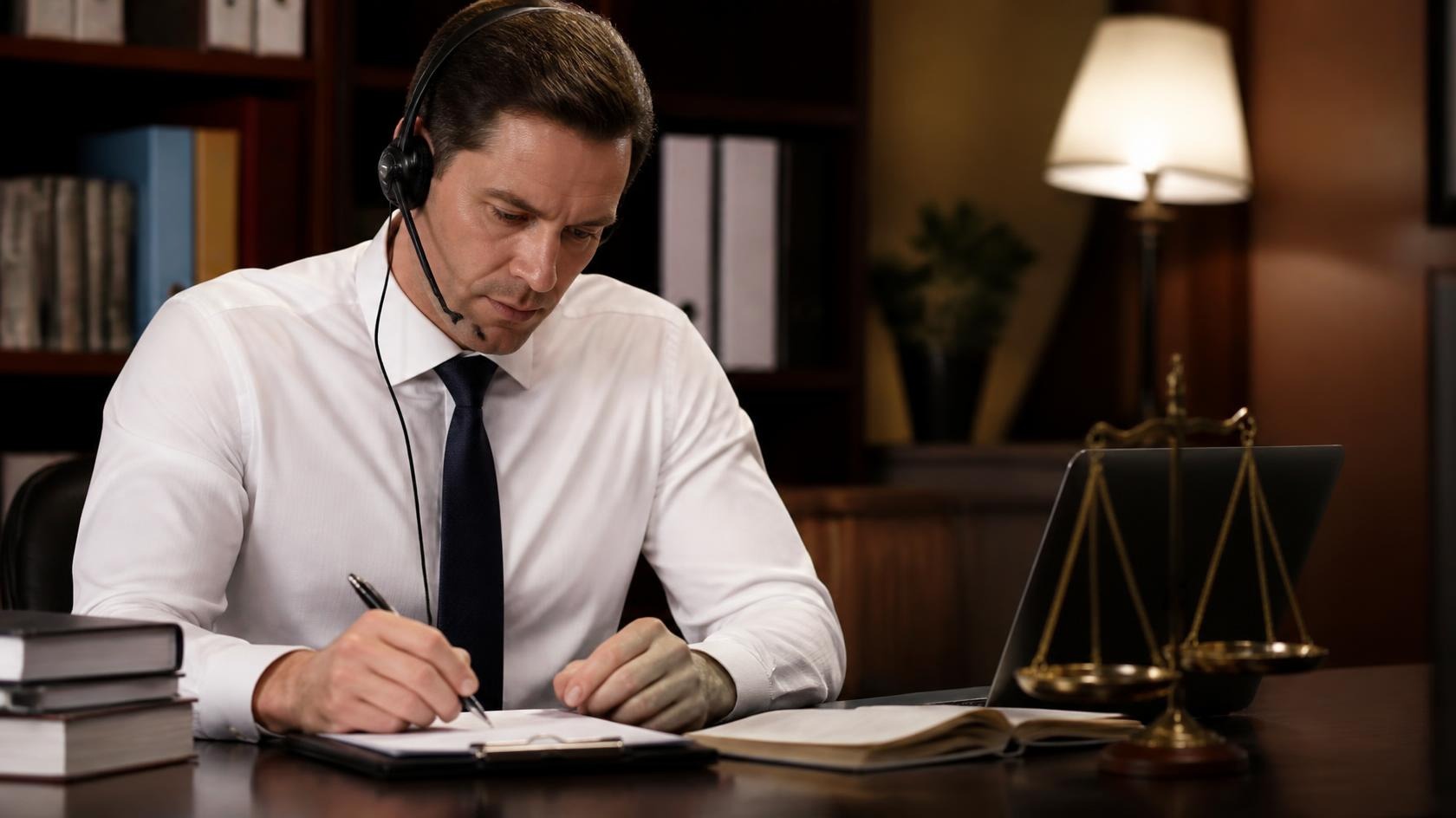
The Legal Case: Why the First Call Sets the Record
Legal intake operates on a different framework for risk, yet the underlying issue is extremely similar. The initial call is often when the most critical facts are captured, and it's also when a caller is least equipped to explain them adequately.
In personal injury, family law, and immigration matters especially, a caller who is unable to fully articulate the incident and/or circumstances in fluent English may leave out important details such as: the sequence of events, an admission the other party made, an injury that seemed minor at the time. It's not that the caller doesn’t know these details; it's that explaining them precisely, under stress, in a second language, is genuinely hard and leaves room for miscommunication. A bilingual intake agent who can conduct that conversation fluently in a client’s preferred language is able to capture an entire and accurate version of the account during the initial call, rather than a partial one that has to be reconstructed later, if it can be reconstructed at all.

What Practices Should Look For in a Vendor
For both medical and legal practices, a few distinguishing factors separate a specialized vendor that is set up to handle all calls regardless of language spoken, from a vendor that is not.
- Live bilingual coverage around the clock, not just during business hours. The calls that matter most tend to happen after the office has closed.
- Agents trained on your specific escalation protocol, in both languages. A generic bilingual greeting isn't the same as an agent who knows your practice's actual triage criteria or intake questions and can apply them in Spanish as precisely as in English.
- Careful, consistent handling of sensitive information regardless of language. Whether a call involves protected health information or details of a legal matter, the same standards for accuracy, privacy, and documentation should apply no matter which language the caller used.
Returning to the 9:40 PM Call
If we look back at the two calls at the start of his piece, the outcomes of both cases depend entirely on whether the agent answering the call can truly understand what is being communicated precisely and accurately so that the right decision about what happens next is made.
That’s what a live, trained bilingual agent is for. Southern Voices Inc., answers all after hours calls in English and Spanish, 24/7, with escalation protocols built collaboratively with each practice. This ensures that the calls that matter most are handled with the absolute accuracy they require, delivered in whichever language the caller is most comfortable using.
If you'd like to discuss what that would look like for your practice, we’re happy to have the conversation. Contact us as sourthernvoices.com or 800-677-7406.
How does round the clock language coverage impact client and patient retention?
Callers in crisis rarely leave voicemail messages; if they encounter a language barrier or automated recording after hours, they frequently hang up and call a competing firm or head directly to an overcrowded emergency room. 24/7/365 live bilingual availability reassures non-English speaking callers immediately, securing patient loyalty and capturing high value legal prospects that would otherwise be lost to competitors.
How do language barriers impact medical triage accuracy?
Studies show that patients with limited English proficiency experience significantly higher rates of adverse medical events and severe harm due to communication barriers. In an after hours triage setting, a language barrier can prevent a caller from accurately describing critical symptoms, leading to misdiagnosed urgency or delayed life saving intervention.
Why are live bilingual agents preferable to automated translation tools or third party interpreters?
Automated AI translation struggles with high stress speech, regional idioms, and urgent medical or legal phrasing. Third party interpreter lines require long hold times and multi-way calls, introducing dangerous delays. Live bilingual agents remove these operational hurdles, establishing immediate trust and accurately following custom escalation workflows without language lag.
How does bilingual after hours coverage protect law firms from liability or lost cases?
Missing critical facts during an initial consultation can weaken a personal injury, family law, or immigration case before an attorney even reviews it. Reconstructing an accurate narrative later is difficult and costly. Live bilingual intake ensures no key details, admissions, or crucial evidence are lost in translation.
Do bilingual answering service agents act as medical triage clinicians?
No. Answering service agents do not offer medical advice or act as clinicians. Instead, trained agents gather detailed, accurate symptom reports in the caller’s primary language and follow the medical practice’s pre-established escalation protocols to direct the information to the appropriate physician or emergency service.
What key features should practices look for in a bilingual call vendor?
- 24/7/365 live coverage: Ensuring language access during peak after hours emergency windows.
- Custom protocol training: Agents trained to execute the practice’s specific triage or legal intake workflows in both languages.
- Compliance and confidentiality: Consistent standards for protecting sensitive health information (PHI) and confidential legal details across all languages.
Recent Comments